October 13, 2026
Fall Landscaping Mistakes That Could Cost Huntsville Homeowners Thousands
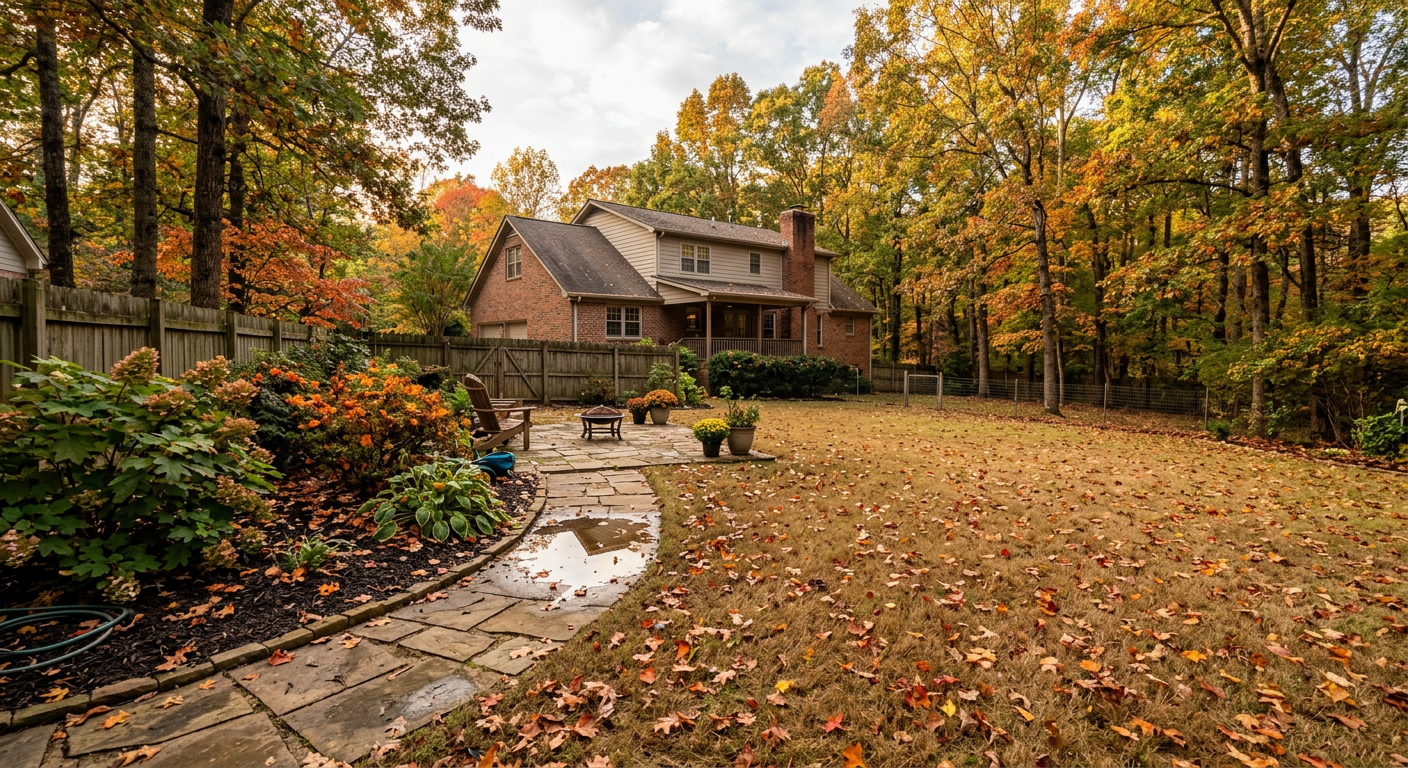
Standing water, improper pruning, soil erosion, and damaged hardscaping can become expensive when ignored. Learn the seven fall landscaping mistakes Huntsville homeowners should avoid to protect their property this October.
Fall is one of the most beautiful times of year in North Alabama. The temperatures begin to cool, leaves change color, and homeowners finally get a break from the intense summer heat.
But while your yard may look like it’s winding down for the season, October is one of the most important times to pay attention to your landscape.
Small problems like standing water, improper pruning, soil erosion, and damaged hardscaping can become much more expensive when ignored. What starts as a minor landscaping issue in October could turn into a costly repair by spring.
For homeowners in Huntsville, Hampton Cove, Owens Cross Roads, and surrounding North Alabama communities, understanding these common fall landscaping mistakes can help protect your property, preserve your landscape investment, and prepare your outdoor spaces for the months ahead.
Here are seven mistakes worth avoiding this fall.
1. Ignoring Drainage Problems Before Winter
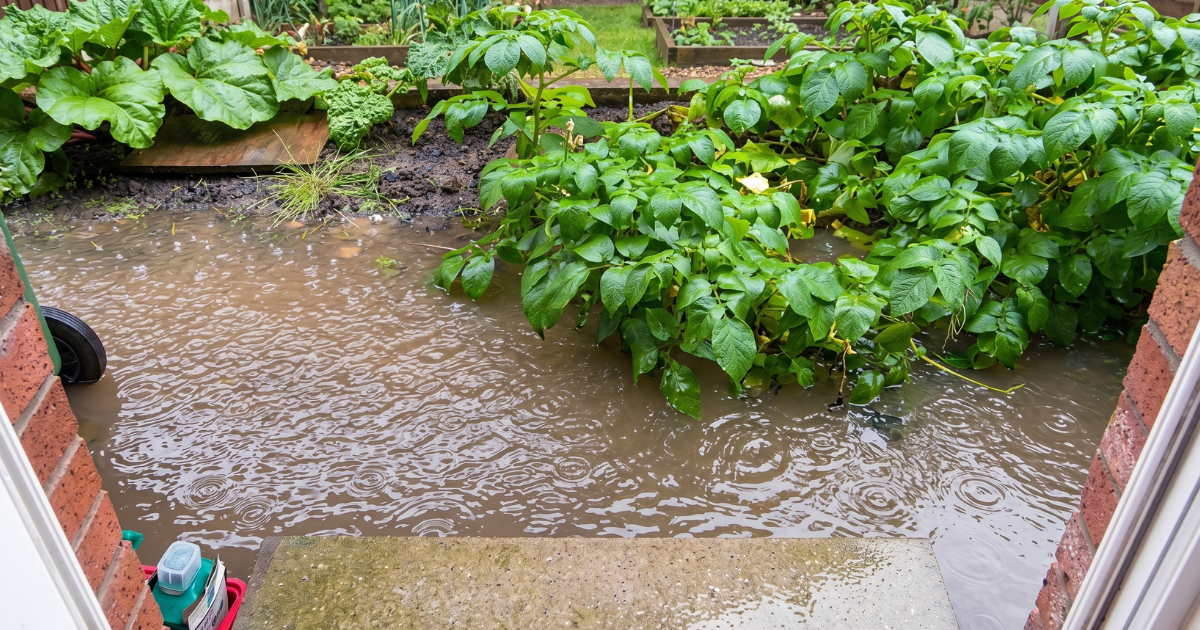
One of the biggest landscaping mistakes homeowners make is ignoring water that collects in their yards after heavy rainfall.
A few puddles might not seem concerning, but recurring standing water can indicate problems with grading, compacted soil, or inadequate drainage.
Over time, uncontrolled water can contribute to:
- Soil erosion and washed-out landscape beds
- Thin or struggling grass
- Muddy areas that never fully dry
- Damage around patios and walkways
- Water collecting near your home’s foundation
North Alabama’s seasonal rainfall makes proper drainage especially important.
What to do instead: Walk your property after a substantial rainstorm. Look for standing water, erosion channels, and areas where runoff flows toward your home.
Depending on the cause, professional solutions may include grading improvements, French drains, catch basins, or other drainage systems.
Addressing drainage before installing new landscaping can help prevent having to redo expensive improvements later.
2. Pruning Trees and Shrubs at the Wrong Time
Fall cleanup often inspires homeowners to trim everything back before winter.
Unfortunately, aggressive pruning at the wrong time can damage plants or remove next season’s flower buds.
Some spring-flowering shrubs develop their buds during the previous growing season. Cutting them back in October could mean fewer blooms next spring.
Heavy pruning may also encourage tender new growth that is more vulnerable to cold weather.
What to do instead: Identify the plant before pruning.
Remove dead, broken, or hazardous branches when appropriate, but save major pruning for the recommended season for each species.
A professional landscaping team can help determine which plants need attention now and which should be left alone until later.
3. Allowing Fallen Leaves to Smother Your Lawn
Fall leaves are beautiful, but allowing thick layers to sit on your grass for extended periods can create problems.
When leaves accumulate, they can block sunlight and restrict airflow around the turf.
Wet, matted leaves may also contribute to conditions that encourage turf disease.
For lawns containing Bermuda or Zoysia grass, fall is already a transitional period as warm-season turf begins entering dormancy.
Adding a thick layer of leaves can make it harder for the lawn to remain healthy.
What to do instead: Remove or mulch leaves regularly before they form a heavy mat.
Finely shredded leaves can return organic matter to the soil, but large piles should not be left covering the lawn.
Consistent fall lawn maintenance helps protect the turf and keeps your property looking clean.
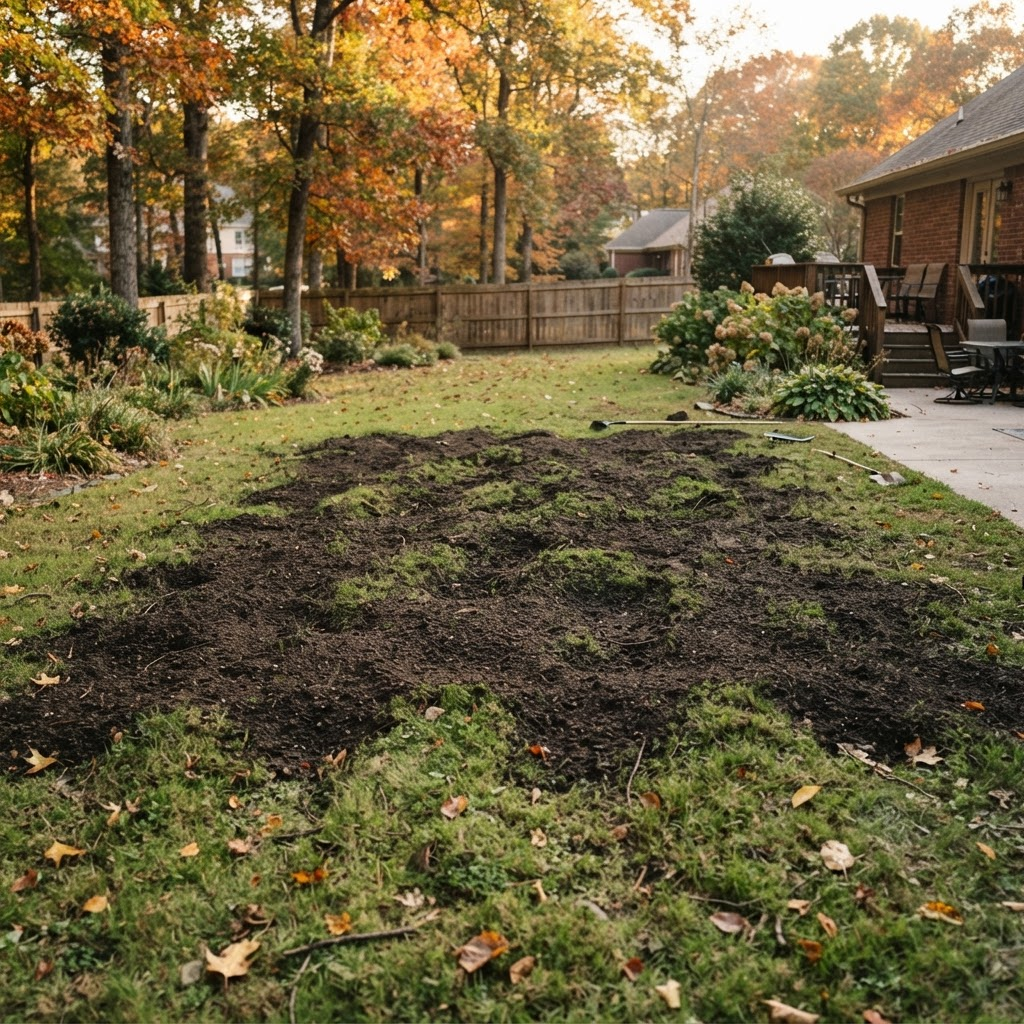
4. Neglecting Landscape Beds and Soil Erosion
Landscape beds do more than make your property attractive.
They help define outdoor spaces, protect plant roots, and manage exposed soil.
However, fall rain can reveal problems that were less noticeable during summer.
Watch for:
- Mulch washing onto sidewalks or driveways
- Exposed plant roots
- Soil collecting at the bottom of slopes
- Landscape edging shifting out of place
- Water channels forming through planting beds
Repeated erosion can gradually remove soil and damage established landscaping.
What to do instead: Inspect your beds for runoff and soil movement.
Refresh mulch where needed, maintain appropriate mulch depth, and avoid piling material against tree trunks or shrub stems.
If mulch repeatedly washes away, the problem may require drainage improvements or landscape redesign rather than simply adding more mulch.
5. Overlooking Patio, Walkway, and Hardscape Damage
Your patio, walkways, retaining walls, and outdoor living features are significant investments.
Small changes in these areas should not be ignored.
Uneven pavers, shifting edging, drainage issues, and settling surfaces can become more noticeable as seasonal moisture and temperatures change.
Look for:
- Cracked or uneven pavers
- Water collecting beside patios
- Loose steps or edging
- Soil washing away near walkways
- Retaining walls that appear to be shifting
- Areas where the ground has settled
These issues may be caused by drainage, soil movement, installation conditions, or normal wear.
What to do instead: Inspect hardscape features before winter and address the source of any movement.
If a retaining wall is leaning or showing structural distress, have it evaluated by an appropriately qualified professional.
Correcting underlying drainage problems before repairing the surface can help protect your investment.
6. Planting Without Considering Soil, Sunlight, or Mature Size
Fall can be an excellent season for planting many trees and shrubs in North Alabama.
Cooler weather can reduce heat stress while giving suitable plants time to establish roots.
But planting at the right time does not guarantee success.
One of the most expensive landscaping mistakes is choosing plants based only on how they look at the nursery.
A plant that looks perfect today may struggle if it receives too much shade, sits in poorly drained soil, or eventually outgrows its location.
What to do instead: Consider these factors before planting:
- Daily sunlight exposure
- Soil type and drainage
- Mature height and width
- Distance from structures
- Water requirements
- Long-term maintenance
- Suitability for North Alabama’s climate
A professionally designed landscape considers how plants will perform years from now, not just how they look on installation day.
7. Waiting Until Spring to Address Known Landscape Problems
Many homeowners assume landscaping projects should wait until spring.
But delaying necessary improvements can sometimes make existing problems worse.
October is a valuable time to evaluate your property and develop a plan.
If your yard already has drainage issues, uneven ground, deteriorating hardscape, or struggling landscape beds, waiting several months may allow those problems to continue.
What to do instead: Use fall to identify priorities and schedule appropriate improvements.
Projects worth evaluating include:
- Drainage and grading corrections
- Landscape bed renovations
- Patio and walkway repairs
- Privacy landscaping
- Soil improvements
- Professional landscape design
- Planning outdoor living upgrades for spring
Not every project needs to be completed immediately. However, identifying the problem early gives you more time to choose the right solution.
Why Fall Landscape Maintenance Matters in Huntsville, AL
North Alabama landscapes face a combination of hot summers, periods of heavy rainfall, changing seasonal temperatures, and varying soil conditions.
These factors can affect lawns, plants, drainage systems, and hardscape features differently from one property to another.
A proactive fall landscaping plan can help homeowners:
- Protect established plants and turf
- Reduce avoidable erosion
- Identify drainage problems
- Preserve hardscape investments
- Improve overall curb appeal
- Prepare for future landscape projects
The goal is not simply to make your yard look good for fall. It is to protect the foundation of your landscape throughout the year.
Frequently Asked Questions About Fall Landscaping
- What landscaping should I do in October in Huntsville, AL?
- October is a good time to inspect drainage, manage fallen leaves, evaluate landscape beds, check hardscape features, and consider suitable fall planting. The specific tasks depend on your grass type, plants, and property conditions.
- Is October a good time to plant shrubs and trees in North Alabama?
- Fall is often a favorable planting season for many trees and shrubs because cooler conditions can reduce heat stress. However, plant selection, soil drainage, watering, and species-specific needs remain important.
- Should I cut back all my shrubs before winter?
- No. Pruning schedules vary by species. Cutting back spring-flowering shrubs during fall can remove flower buds, while heavy pruning may stimulate vulnerable new growth.
- Can poor drainage damage my landscaping?
- Yes. Persistent water accumulation and uncontrolled runoff can contribute to root problems, soil erosion, turf decline, and damage around hardscape features.
- Should I wait until spring to hire a landscaper?
- Not necessarily. Fall is a useful time to evaluate problems, address appropriate seasonal projects, and plan larger landscape improvements before spring.
Protect Your Landscape Investment This Fall With Morgan Landscapes
A beautiful landscape requires more than occasional mowing and seasonal cleanup.
It requires understanding how your lawn, plants, soil, drainage, and outdoor features work together.
At Morgan Landscapes, we help Huntsville and North Alabama homeowners create and maintain outdoor spaces designed for lasting beauty, function, and enjoyment.
Whether you’re dealing with drainage problems, deteriorating landscape beds, uneven turf, or planning a larger outdoor renovation, our team can help identify the right next steps for your property.
Don’t wait until a small landscaping problem becomes an expensive repair.
Contact Morgan Landscapes today to schedule a professional landscape consultation and make sure your property is prepared for the changing seasons.
Call (256) 656-0240 or visit morganlandscapehsv.com to get started.