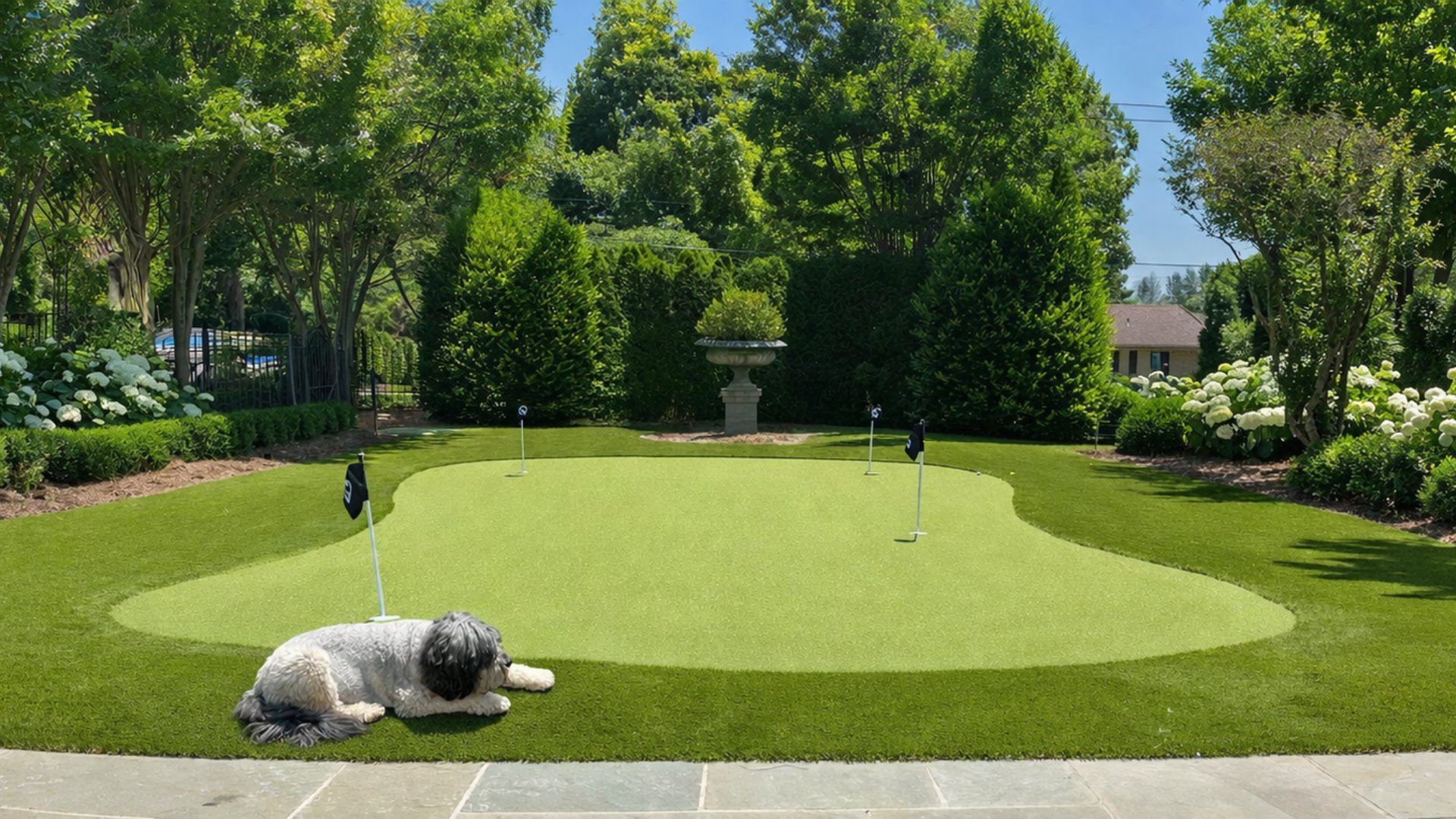
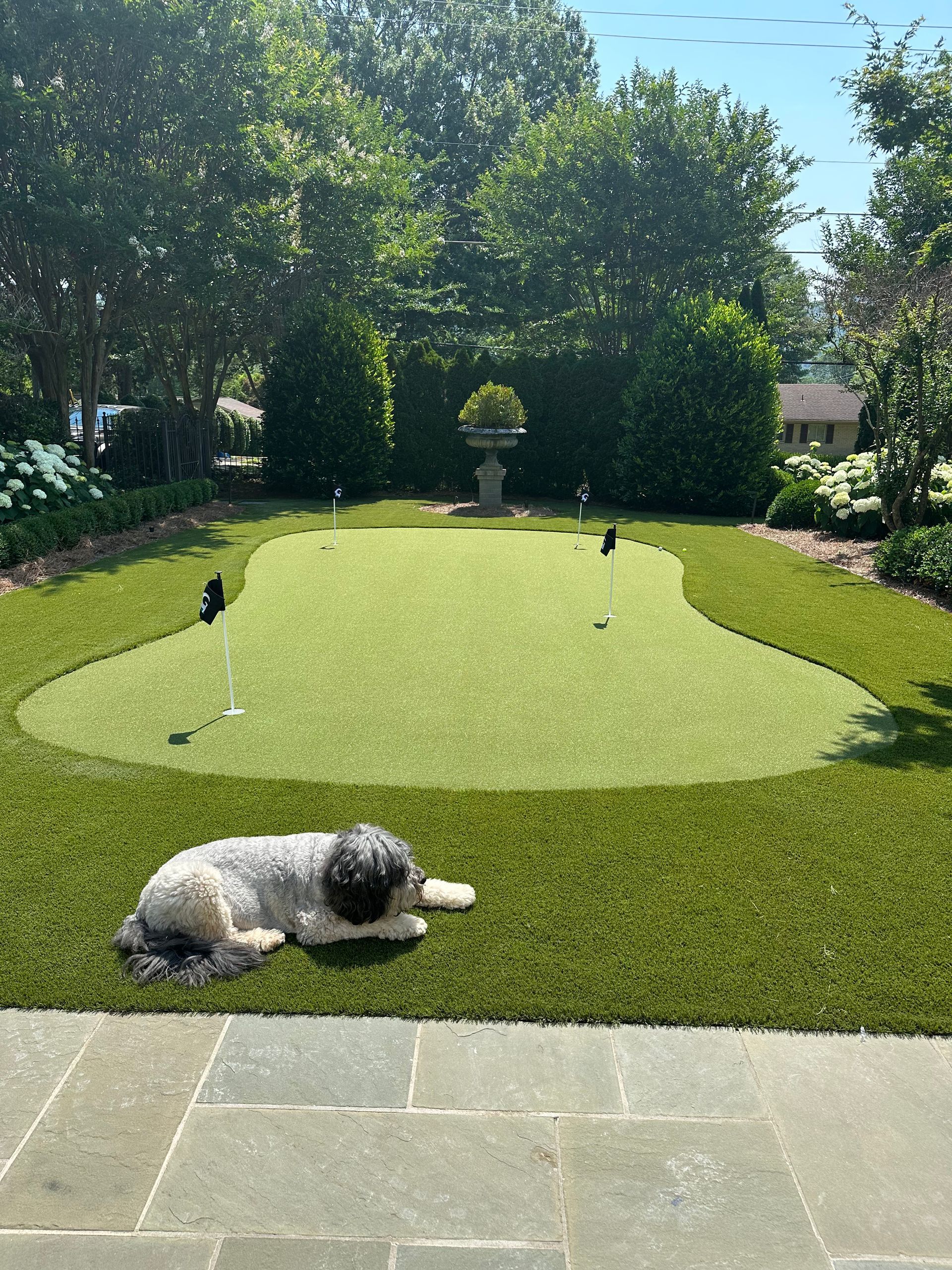
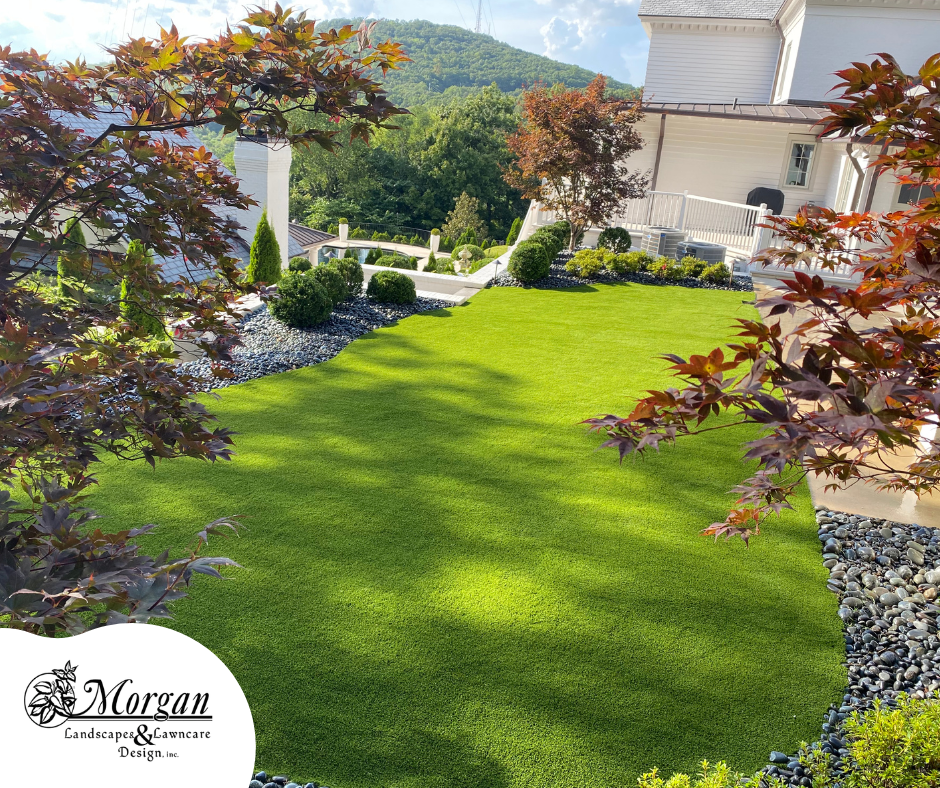
Synthetic turf has become one of the fastest-growing landscape upgrades in North Alabama - and for good reason. Homeowners in and around Huntsville are looking for ways to
reduce maintenance, conserve water, eliminate muddy patches, and enjoy a consistently green lawn year-round.
If you’re considering replacing your natural lawn with artificial turf, this comprehensive guide will help you evaluate whether your yard is a strong candidate - and how to properly prepare your landscape before installation.
At
Morgan Landscape & Lawncare Design, we help North Alabama homeowners make informed decisions about turf, drainage, hardscapes, and full outdoor transformations. Here’s what you should know before moving forward.
Why Homeowners in North Alabama Are Considering Synthetic Turf
Our region presents unique lawn challenges:
- Heavy clay soil that drains slowly
- Hot, humid summers
- Shade-heavy lots in established neighborhoods
- Sloped properties
- High maintenance demands for irrigation and mowing
Synthetic turf offers:
- Year-round green appearance
- Lower long-term maintenance
- No mowing or fertilizing
- Mud-free surfaces
- Improved durability in high-traffic areas
But success depends on proper planning and installation.
1. Evaluate Your Yard Size and Layout
Is Your Lawn the Right Size for Synthetic Turf?
Synthetic turf works especially well in:
- Small to mid-sized lawns
- Courtyards
- Side yards
- Dog runs
- Pool surrounds
- Shaded backyards
For very large properties, cost becomes a bigger factor. Many North Alabama homeowners opt for a hybrid approach - turf in high-visibility or high-use areas, natural grass elsewhere.
Questions to Ask:
- Do you use your entire lawn?
- Are there sections that struggle to grow grass?
- Do certain areas stay muddy year-round?
- Are there narrow side yards that are difficult to mow?
- If you answered yes to any of these, turf may be worth considering.
2. Consider Sun Exposure and Shade Patterns
Does Synthetic Turf Work in Shade?
Yes - and in many cases, better than natural grass.
North Alabama neighborhoods like Hampton Cove and Owens Cross Roads often feature mature trees that create heavy shade. Grass struggles in these environments, leading to:
- Thin patches
- Bare spots
- Moss growth
- Constant reseeding
Synthetic turf performs well in both sun and shade, but:
- Extremely shaded areas may need occasional debris clearing.
- High sun exposure areas may benefit from heat-reflective turf options.
A professional evaluation helps determine the best turf product for your specific sun patterns.
3. Assess Drainage Conditions
One of the most important - and overlooked - factors in synthetic turf success is drainage.
Ask Yourself:
- Does water pool after heavy rain?
- Does your yard slope toward the house?
- Is the soil heavily compacted clay?
- Do you already have drainage systems installed?
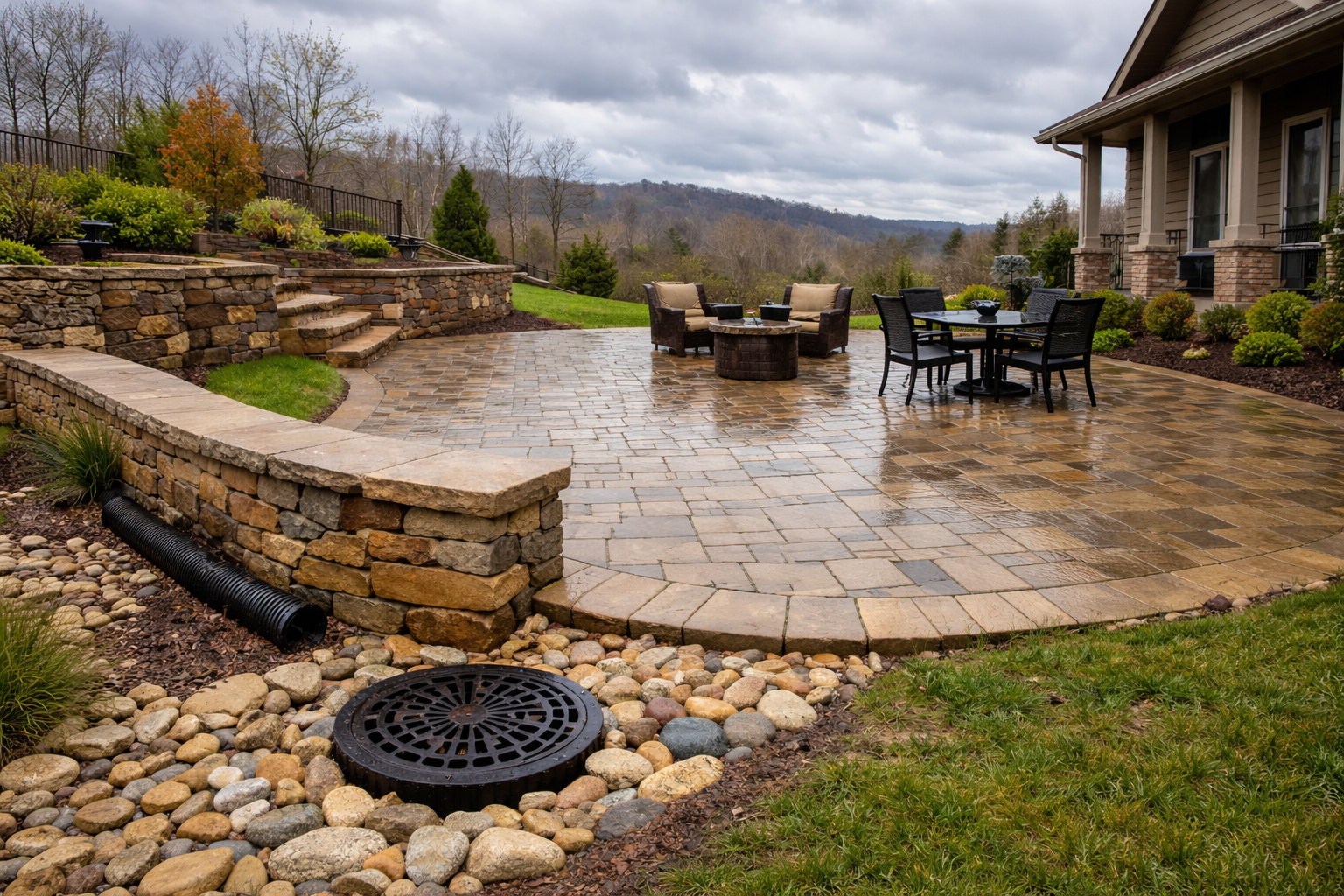
Synthetic turf does not eliminate drainage problems - it must be installed over a properly prepared base that promotes water flow.
At Morgan Landscape & Lawncare Design, every turf project begins with evaluating:
- Grading
- Sub-base preparation
- Drainage flow patterns
- Integration with existing hardscapes
Poor drainage under turf can lead to odor, uneven surfaces, or long-term failure. If you have any of these trouble areas, Morgan Landscape & Lawncare Design can help with solutions to ensure the end product is something you can enjoy worry-free for decades to come.
4. Examine Existing Hardscaping
Synthetic turf pairs beautifully with:
- Paver patios
- Retaining walls
- Outdoor kitchens
- Walkways
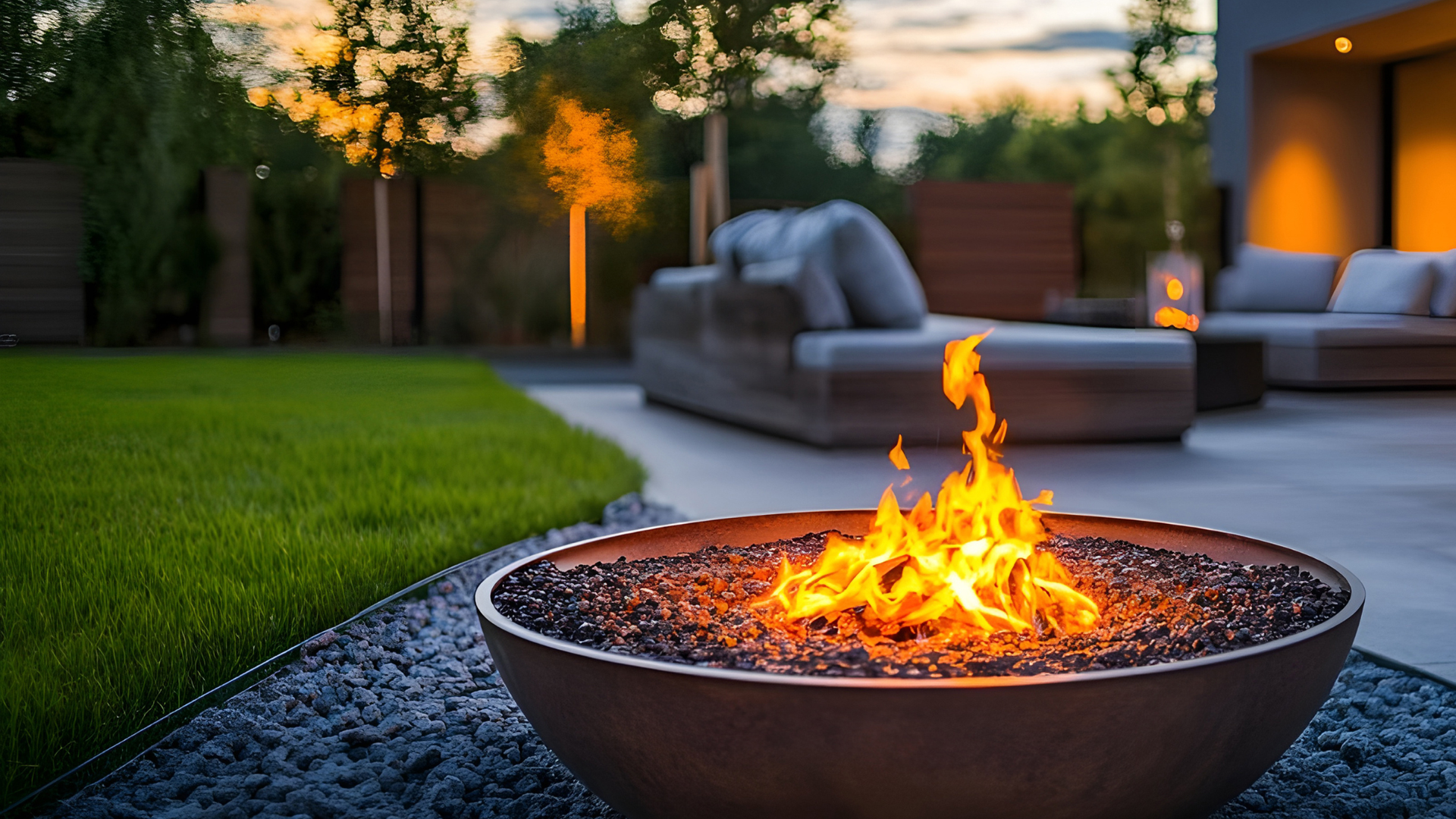
- Fire pits
In fact, many homeowners install turf during a larger outdoor renovation.
Important Considerations:
- Are existing patios level and stable?
- Are retaining walls draining properly?
- Does water run off hard surfaces into lawn areas?
- Are there elevation changes to address?
Turf installations should integrate seamlessly with hardscape elements - not be added as an afterthought.
If you’re already considering upgrades, combining projects often produces better long-term results.
5. What About Mature Trees and Root Systems?
This is one of the most common questions we receive.
Can You Install Turf Over Tree Roots?
It depends.
Mature tree root systems near the surface may cause:
- Uneven areas
- Future lifting
- Drainage interference
Key considerations:
- Are roots visible at the surface?
- Is the tree species aggressive (common in parts of North Alabama)?
- Will excavation damage critical roots?
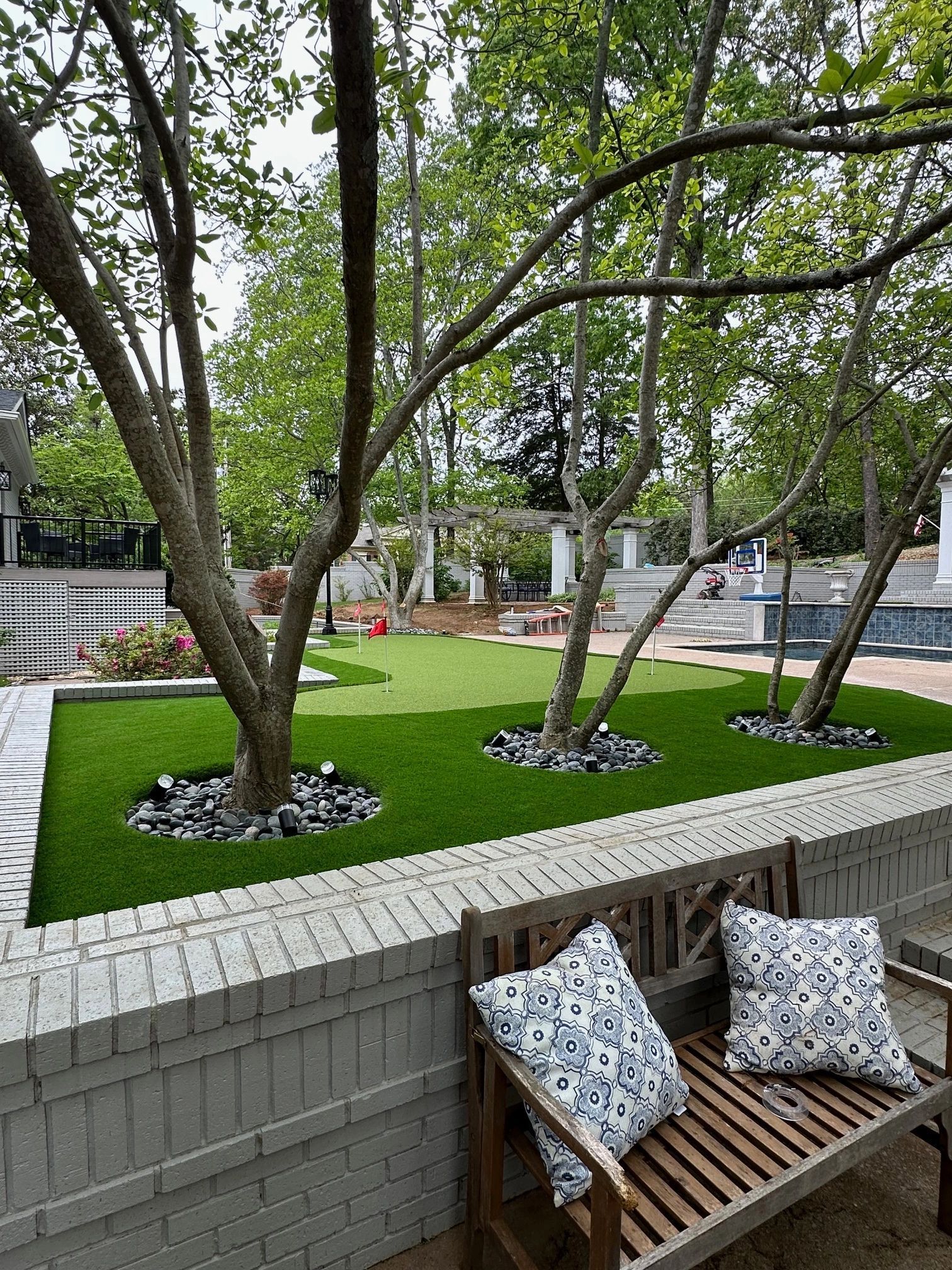
In some cases, minor root adjustments can be made. In others, we design around the tree using decorative rock, mulch beds, or planter borders.
Protecting the long-term health of mature trees is essential. A professional evaluation ensures both your turf and your trees thrive.
6. Should You Be Concerned About Planters and Landscaping Beds?
Synthetic turf and landscape beds work very well together - when properly designed.
Before installation, consider:
- Will existing plant beds remain?
- Do you want cleaner bed edges?
- Should irrigation be modified?
- Is mulch washing into lawn areas?
Many homeowners take this opportunity to:
- Redefine bed lines
- Install metal or stone edging
- Improve drainage between turf and beds
- Upgrade plant material
Turf should complement your landscaping - not compete with it.
7. Is Synthetic Turf Right for Pet Owners?
For many North Alabama homeowners, pets are the main reason for installing turf.
Benefits include:
- No mud tracking inside
- Easy cleanup
- Durable surface
- Odor-reducing infill options
However, proper base preparation and drainage are critical for pet areas.
We recommend discussing:
- Number of pets
- Usage intensity
- Cleaning preferences
- Dedicated dog run vs full yard installation
8. Cost vs Long-Term Value
Synthetic turf may requires a higher upfront investment than sod.
However, long-term savings may include:
- No mowing services
- Reduced water bills
- No fertilizers or weed treatments
- Lower reseeding costs
- Reduced equipment expenses
Many homeowners find that over a few short years, turf becomes financially competitive with maintaining a struggling natural lawn.
9. How to Prepare Your Property for Synthetic Turf Installation
If you’re seriously considering turf, here’s how to prepare:
- Schedule a Professional Evaluation
Proper site analysis is essential.
2. Address Drainage First
Fix pooling water or slope issues before installation.
3.
Trim Back Overgrown Vegetation
Clear work zones around the installation area.
4.
Identify Irrigation Lines
Decide whether irrigation will remain for surrounding beds.
5.
Consider Landscape Enhancements
This is the perfect time to:
- Upgrade edging
- Add retaining walls
- Redefine beds
- Install pavers or pathways
Preparation ensures long-term performance and clean installation.
Frequently Asked Questions About Synthetic Turf in North Alabama
Will turf drain during heavy Alabama rain?
Yes - when installed over a properly prepared base with correct grading.
How long does synthetic turf last?
High-quality turf can last 15–20 years with proper installation.
Can weeds grow through turf?
Proper base preparation and weed barriers significantly reduce this risk. We're good at keeping the weeds out.
Does turf increase home value?
Low-maintenance, attractive landscaping can improve curb appeal and buyer interest.
When Synthetic Turf Makes the Most Sense
Your property may be a strong candidate if:
- Grass struggles in shade
- You’re tired of muddy areas
- You want lower maintenance
- You’re upgrading hardscapes
- You have pets
- You want year-round green curb appeal
Every yard is different - which is why professional planning matters.
Work With a Local Expert Who Understands North Alabama Landscapes
Morgan Landscape & Lawncare Design specializes in:
- Synthetic turf installation
- Drainage solutions
- Retaining walls
- Hardscape design
- Landscape renovation
We understand Huntsville-area soil conditions, slope challenges, and climate demands. Our goal is not just to install turf - but to design outdoor spaces that function beautifully for years.
If you’re considering synthetic grass for your property in and around Huntsville, we’re here to help you evaluate your options the right way.